Ethics ·
Provenance: Why the Paper Trail Matters
Ownership history protects collectors, communities and the objects themselves. Here is how documentation is handled.
Sample editorial text for a portfolio demo. On a live site each factual statement is checked and sourced before publishing.
Provenance is the documented history of an object’s ownership. It helps establish that an object left its place of origin lawfully and that it is what it is said to be.
What counts as documentation
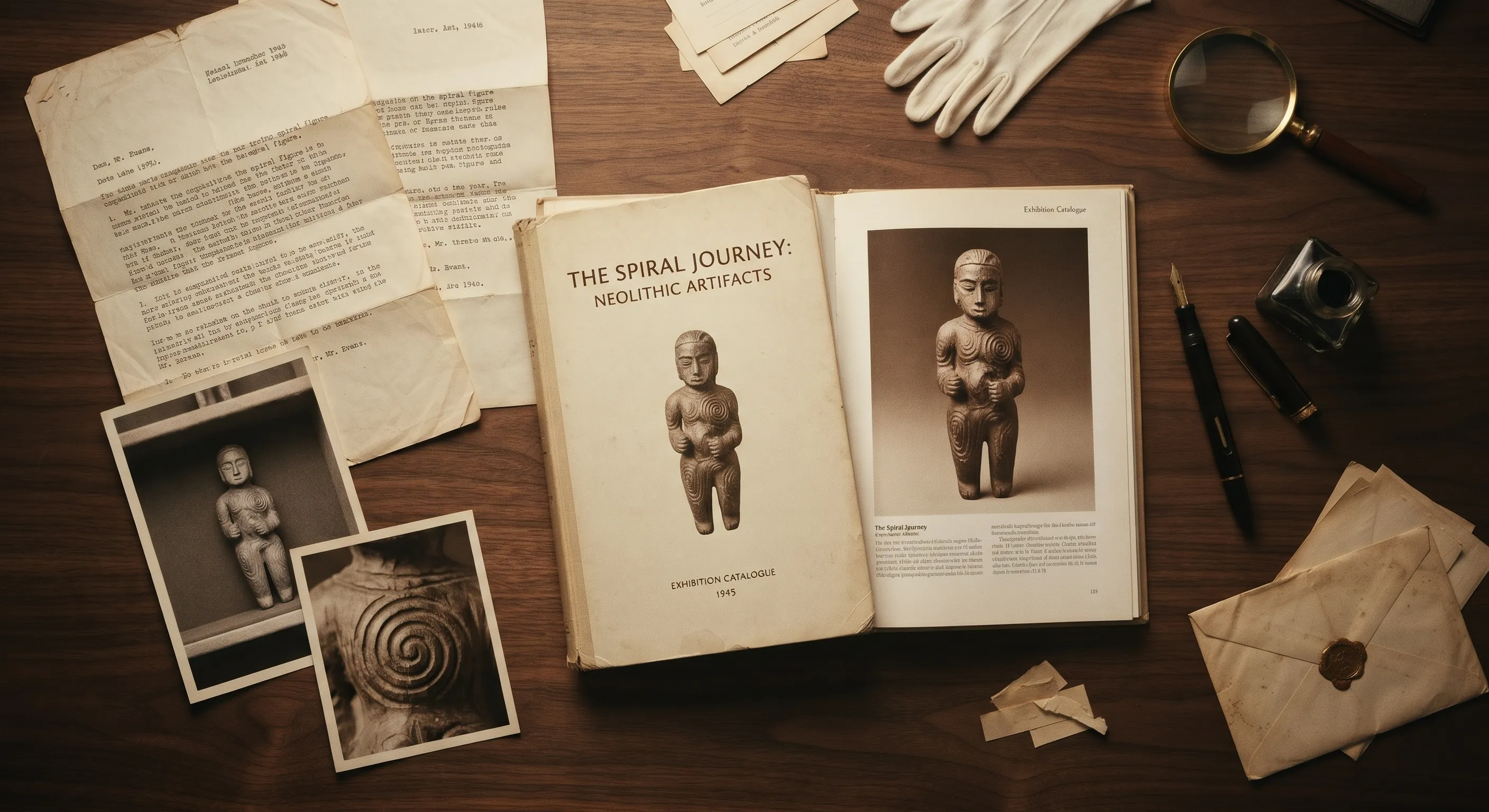
Dated invoices, export papers, exhibition catalogues, collection inventories and photographs showing the object in a known collection. Verbal histories are recorded, but are labelled as unverified.
The 1970 UNESCO Convention on the illicit trade in cultural property is a common reference point for when an object’s documented history should begin.
When the record is incomplete
Many legitimate objects have gaps in their history. A gap is stated, never filled with guesswork, and an object whose history raises concern is not offered.